It sounds backwards to buy software before the drone, but for FPV it is the most common advice from experienced pilots. A simulator lets you crash hundreds of times at no cost, learn manual control and find out whether you enjoy FPV at all. This guide explains what you need, how to practice and when you are ready to fly a real drone.
Key takeaways
- Simulators let you learn manual acro flying without breaking anything.
- Use the same radio controller for the simulator and the real drone.
- A few weeks of regular practice makes the first real flight much less stressful.
Why simulators work
In manual mode, an FPV drone does not level itself. Every movement comes from your thumbs. Building that muscle memory takes time and many crashes. In a simulator, a crash costs a few seconds. Modern FPV simulators model physics well enough that skills transfer to real flying.
What you need
- A computer or supported device that can run the simulator.
- An FPV simulator program.
- A radio controller that can connect to the computer, usually by USB or a wireless adapter.
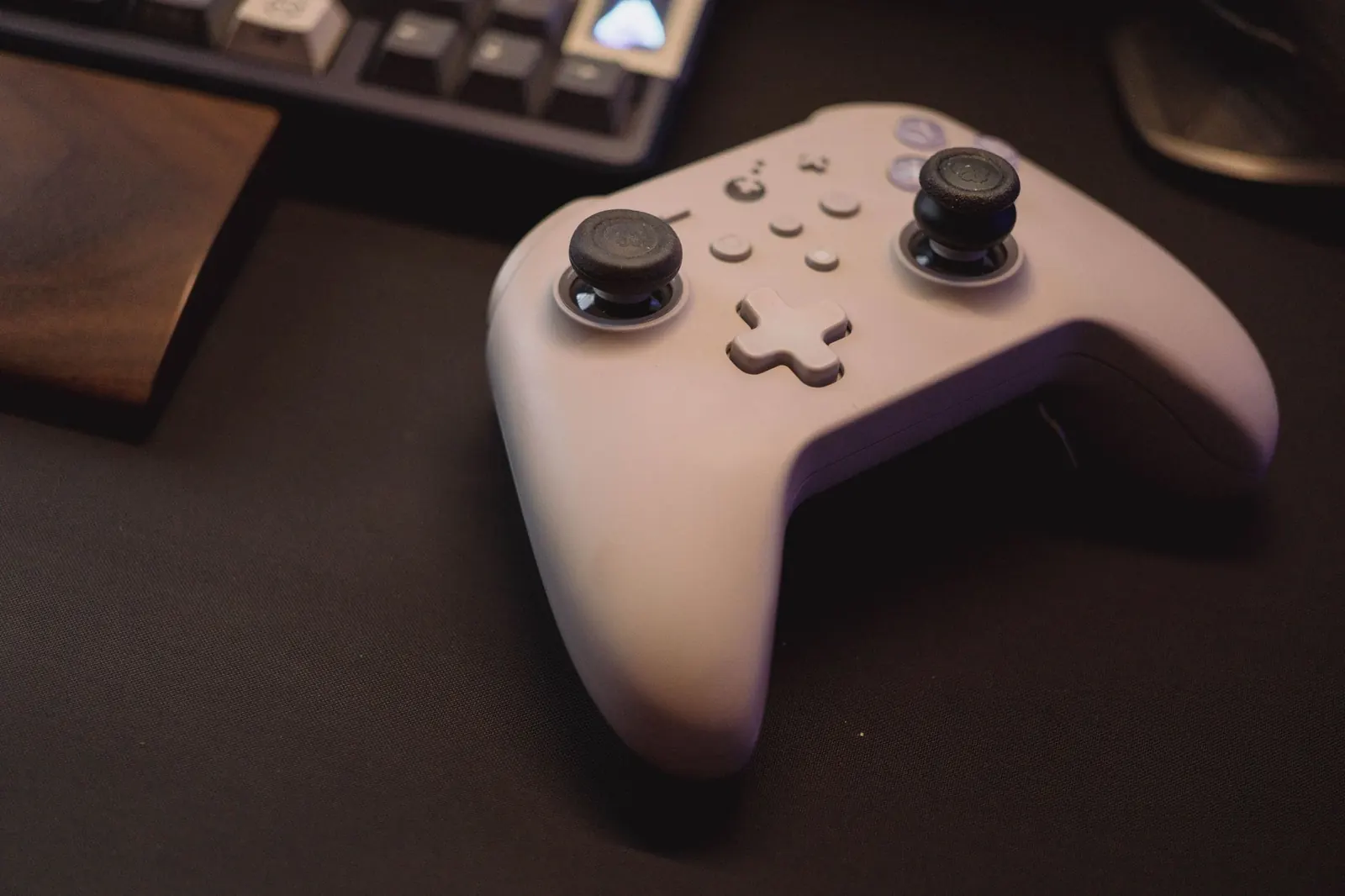
Game controllers can work, but a real radio controller builds the right muscle memory for the sticks you will use later.
Choose the controller first
Buy the controller you plan to use with your real drone. That way, the feel of the sticks and switches stays the same. Check that it supports the receiver protocol of drones you might buy later, and that it connects to your computer. We explain protocols in RTF vs BNF vs PNP: Buying Your First FPV Kit.
How to practice
Short, regular sessions work better than long ones. Start with hovering and gentle forward flight in an open map. Then practice turns, figure eights and flying around objects. Only after that move on to flips and rolls. Try to fly smooth lines rather than fast ones.
Practice plan at a glance
| Stage | Focus |
|---|---|
| First sessions | Hover, throttle control, gentle forward flight |
| Next | Coordinated turns and figure eights |
| Then | Flying around and through gaps |
| Later | Flips, rolls and freestyle lines |
| Before real flight | Consistent landings and calm recoveries |
When you are ready for a real drone
A good sign is being able to fly several laps of an open map smoothly, recover calmly after a mistake and control height without thinking about it. At that point, a small, light FPV drone is a sensible first real aircraft. Tiny ducted drones are forgiving and cheaper to repair.
Simulator vs real flying
Simulators do not fully capture wind, battery sag, signal issues or the nerves of flying real hardware. Expect a short adjustment period. Keep practicing in the simulator between real sessions; many experienced pilots do.
Tip: Set the simulator’s camera angle and rates close to what your real drone will use. Matching these settings makes the jump to real flying smoother.
The rules for the first real flight
When you move to a real drone, US recreational rules apply: pass TRUST and carry proof, keep visual line of sight or use a co-located visual observer when wearing goggles, fly at or below 400 feet in uncontrolled airspace and get authorization in controlled airspace. Check registration and Remote ID if the drone weighs 250 grams or more. See FPV Goggles and the Rules: Visual Observers, Remote ID and Airspace.
Which path fits
If you are curious about FPV but unsure, a simulator and controller are a low-risk way to find out. If you already enjoy simulator practice, move on to an RTF kit or a BNF drone that matches your controller. If you only want calm video, a camera drone may suit you better; see FPV Drone vs Camera Drone: Two Very Different Hobbies.
Costs and what to spend first
A simulator program and a radio controller are the only purchases needed at the start. The controller is also the piece of gear you will keep longest, so it is worth choosing carefully, while the simulator is a modest cost. Delaying the drone purchase until you have practiced also gives you time to learn which kind of FPV flying you enjoy, such as gentle cinematic cruising, freestyle or racing, which points to different drones.
Common mistakes
- Practicing with a game controller and then switching to a radio.
- Jumping straight to flips.
- Buying a large freestyle drone as the first real FPV aircraft.
- Stopping simulator practice after the first real flight.
Frequently asked questions
How long should I practice in a simulator?
There is no fixed number. Practice until you can fly smoothly and recover calmly from mistakes.
Can I use a game controller?
It works for trying, but a radio controller builds better muscle memory.
Do simulators help camera drone pilots?
They mainly help with manual control, which can help any pilot in unusual situations.
Next, compare kits in RTF vs BNF vs PNP: Buying Your First FPV Kit.