FPV shopping comes with its own vocabulary. Listings say RTF, BNF, PNP or ARF, and each one means a different amount of equipment in the box. Getting this wrong is the most common reason a first FPV order arrives and cannot fly. This guide explains the terms and helps you choose the right starting kit.
Key takeaways
- RTF (ready to fly) includes everything needed to fly; it is the simplest start.
- BNF (bind and fly) includes the drone with a receiver, but you supply the controller and usually the goggles.
- Radio protocol compatibility between controller and receiver is the detail that most often goes wrong.
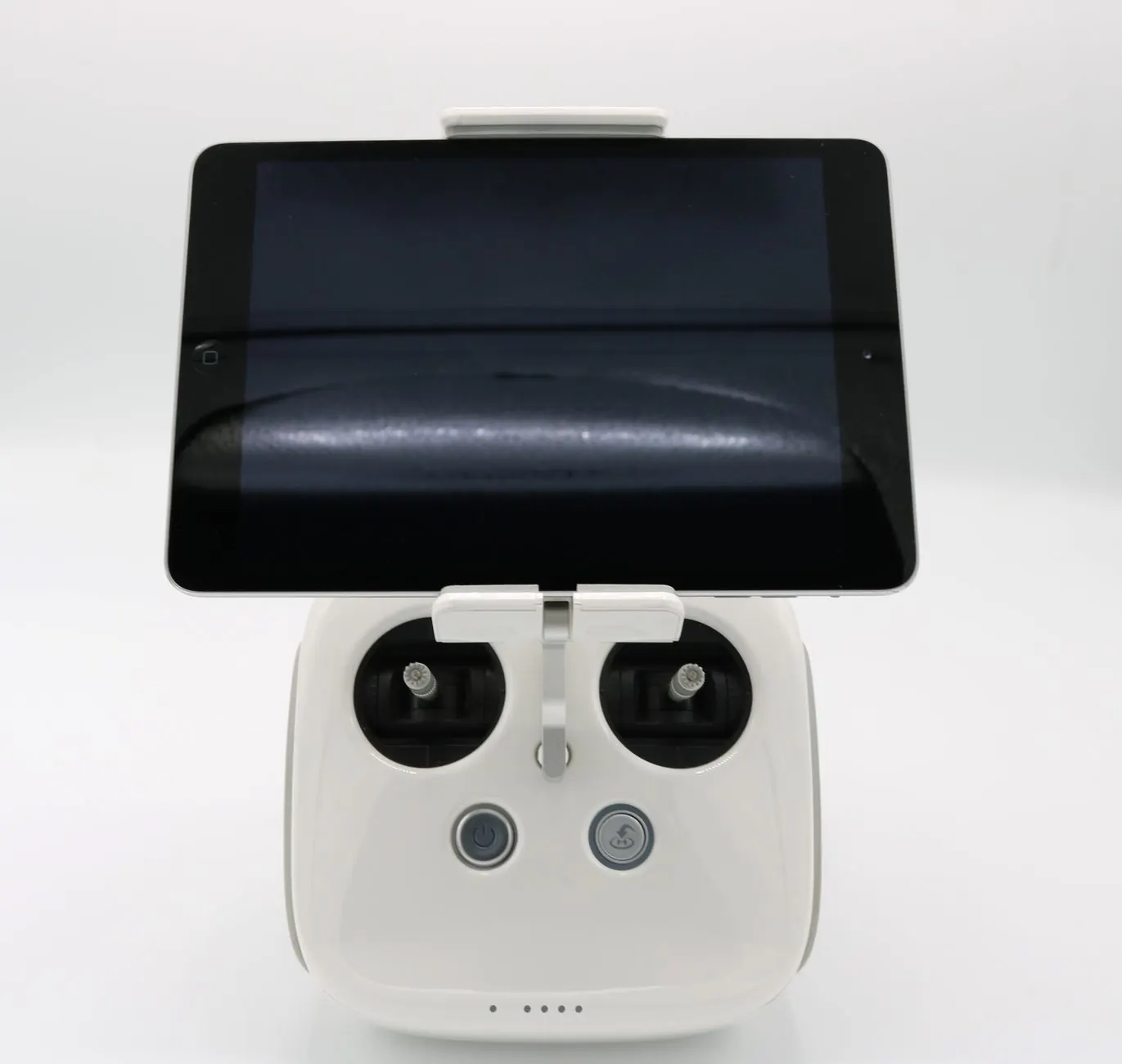
RTF: ready to fly
An RTF kit includes the drone, a radio controller, goggles, batteries and a charger. Everything is paired and ready. It is the easiest way into FPV and a sensible choice if you have no gear yet. The trade-off is that the included controller and goggles may be basic, and you might want to upgrade later.
BNF: bind and fly
A BNF drone comes with a receiver installed. You bind it to your own radio controller and use your own goggles. This is popular with pilots who already own a controller from simulator practice. The key is that the receiver on the drone must use a protocol your controller supports.
PNP: plug and play
A PNP drone comes without a receiver. You install a receiver that matches your controller. This requires some soldering or technical work and suits pilots who want to choose every component.
ARF and kits
ARF (almost ready to fly) and frame kits need more assembly. They are for builders. Most beginners should avoid them for a first drone.
Kit types at a glance
| Type | What you get | Who it suits |
|---|---|---|
| RTF | Drone, controller, goggles, batteries, charger | Complete beginners |
| BNF | Drone with receiver | Pilots who have a controller and goggles |
| PNP | Drone without receiver | Pilots comfortable with setup |
| ARF / frame kit | Parts to assemble | Builders |
Radio protocols
The controller and the drone’s receiver must speak the same radio protocol. Different systems are not interchangeable. Before buying a BNF drone, check which receiver it has and confirm that your controller supports it, either built in or through a module. If you plan to use your controller with a simulator too, check that it connects to a computer.
Goggles and video systems
FPV goggles receive the video signal from the drone’s camera. Analog systems are simple and have low latency; digital systems give clearer images. Goggles and drone must use compatible video systems. When buying a BNF drone, check which video system it carries.
Batteries and chargers
FPV drones use lithium polymer batteries with specific cell counts and connectors. Buy the type the drone is designed for, and a charger that supports it. Charge on a non-flammable surface, never unattended, and follow the manufacturer’s instructions. See Drone Batteries and Chargers: What to Buy and How to Look After Them.
Which one fits
If you have nothing yet, an RTF kit is the most straightforward. If you have already bought a controller for a simulator, a BNF drone with a compatible receiver is usually better value. Choose PNP or kits only if you are comfortable with electronics.
Tip: Buy your controller first and practice on a simulator with it. When you later buy a BNF drone, choose one with a receiver that matches that controller.
Size classes
FPV drones come in sizes named by propeller diameter. Tiny indoor drones with ducted propellers are forgiving and often under 250 grams. Mid-size freestyle drones fly outdoors and are usually heavier. Weight matters for FAA registration: drones of 250 grams or more must be registered for recreational use.
Rules to plan for
Recreational FPV flyers in the US must pass TRUST, keep the drone within visual line of sight or use a co-located visual observer, stay at or below 400 feet in uncontrolled airspace and get authorization in controlled airspace. Registered drones must also meet Remote ID requirements, which is worth checking for FPV builds. See Remote ID When Buying a Drone: Built-In, Module or FRIA.
Spare parts and support
Before choosing an FPV drone, check that spare frames, arms, motors and propellers are easy to find for it. Popular frame sizes and standard motor mounts make repairs simpler. A drone with proprietary parts that are hard to buy can sit unused after one crash. Documentation matters too: clear setup guides and an active user community save hours when something needs configuring.
Common mistakes
- Buying a BNF drone with a receiver your controller cannot bind to.
- Mixing incompatible video systems.
- Buying the wrong battery connector or cell count.
- Starting with a large, heavy freestyle drone.
Frequently asked questions
Is RTF worth it?
For a first FPV setup, yes. It removes compatibility guesswork.
What does binding mean?
Pairing the drone’s receiver with your controller so it responds only to your controller.
Do FPV drones need Remote ID?
If the drone must be registered, FAA Remote ID rules apply. Check the options before buying.
Read FPV Drone vs Camera Drone: Two Very Different Hobbies if you are still choosing between hobbies.