
FPV and camera drones look similar in photos, but owning one is a very different experience from owning the other. A camera drone is designed to fly itself steadily while you frame a shot. An FPV drone is designed to be flown by hand, fast and precisely, through goggles that put you in the cockpit. This guide compares the two so you can decide which hobby you are buying into.
Key takeaways
- Camera drones prioritize stability and image quality; FPV drones prioritize speed, agility and manual control.
- FPV has a steeper learning curve, and most pilots practice on a simulator first.
- Flying with goggles does not remove the FAA’s visual line of sight requirement for recreational flyers.
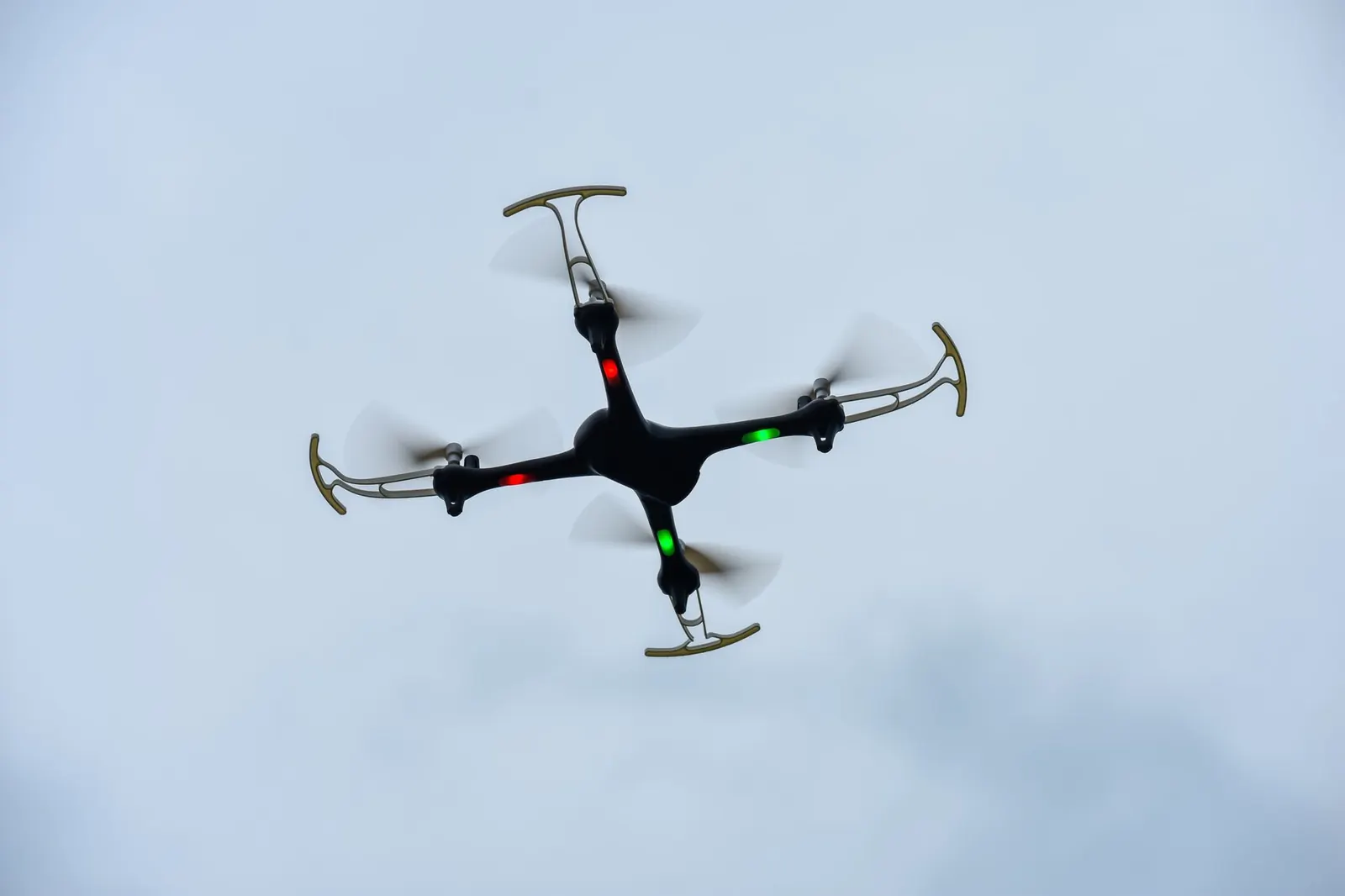
What a camera drone does well
A camera drone uses satellite positioning and sensors to hold its position, a gimbal to keep the camera steady and automatic features such as return-to-home. You can let go of the sticks and the drone stays put. That makes it well suited to travel, landscapes, family video and property photos. Flying is calm and deliberate.
What an FPV drone does well
FPV stands for first-person view. The pilot wears goggles that show a live feed from a camera on the drone. Many FPV drones fly in a manual mode, often called acro mode, where the drone does not level itself when you release the sticks. This allows flips, dives and fast lines through open spaces. FPV footage feels immersive and dynamic. Some pilots race; others film freestyle or chase cars and bikes.
Learning curve
Camera drones can be flown confidently after a few sessions. FPV takes much longer. Manual mode is unforgiving: every movement is your input. Most FPV pilots spend many hours in a simulator before flying a real drone. See Why You Should Buy an FPV Simulator Before an FPV Drone.
Equipment you need
A camera drone usually comes as a complete package with a controller. FPV needs more pieces: the drone, a radio controller, goggles, batteries, a charger and often spare parts. Some FPV kits bundle these; others expect you to choose each item. We explain the options in RTF vs BNF vs PNP: Buying Your First FPV Kit.
Durability and repairs
FPV drones crash often, especially while learning. They are usually built to be repaired, with replaceable arms, motors and propellers. Camera drones crash less often but are harder to repair at home and may need service.
Side-by-side comparison
| Camera drone | FPV drone | |
|---|---|---|
| Main goal | Stable photos and video | Speed, agility, immersion |
| Flight style | Assisted, self-leveling | Often manual, acro |
| Learning curve | Gentle | Steep |
| Kit | Complete package | Several pieces |
| Repairs | Service or parts | Usually DIY |
| Footage | Smooth, cinematic | Dynamic, fast |
Which one fits you
If you want beautiful footage of places with little practice, choose a camera drone. If you enjoy the flying itself, like the idea of learning a skill and do not mind crashing and repairing, FPV can be very rewarding. Some pilots own both: a camera drone for trips and an FPV drone for sessions at a local field.
The rules still apply with goggles
According to the FAA, recreational flyers must keep the drone within visual line of sight or use a visual observer who is next to them and in direct communication. When you wear goggles, you cannot see the drone directly, so a visual observer is needed. The same rules apply for altitude, controlled airspace, TRUST and registration. See FPV Goggles and the Rules: Visual Observers, Remote ID and Airspace.
Tip: If you are not sure which hobby suits you, try an FPV simulator for a few evenings before buying anything. If you enjoy the practice itself, FPV is likely a good fit.
Weight and registration
Many FPV drones, especially larger freestyle builds, weigh more than 250 grams and must be registered with the FAA. Small “tiny whoop” style drones are often under that weight. Camera drones come in both groups. Check the flying weight, including the battery, before buying.
Cost over the first year
The drone price is only the start for both hobbies, but the pattern differs. Camera drone owners usually spend on spare batteries, a case and perhaps filters, and then little else unless something breaks. FPV pilots spend steadily on propellers, batteries, replacement arms, motors and sometimes new cameras, because crashing is part of learning. Neither is wrong; just plan for the pattern that matches the hobby you choose.
Common mistakes
- Buying an FPV drone for calm cinematic travel shots.
- Skipping the simulator and crashing on the first flight.
- Flying FPV alone, without a visual observer.
- Ignoring the cost of spare parts and batteries.
Frequently asked questions
Is FPV harder than a normal drone?
Yes. Manual flying takes practice, and most pilots use a simulator first.
Can I fly FPV alone?
Recreational flyers must keep visual line of sight or use a co-located visual observer. With goggles on, you need an observer.
Can FPV drones record smooth video?
They record exciting footage. Smoothness often depends on flying skill and stabilization software.
Compare with Choosing a Camera Drone: What Matters for Photos and Video before deciding.