
A drone can be a great gift for a curious child or teenager. It teaches patience, spatial awareness and a little physics, and it gets kids outside. It can also end up broken in a tree on the first afternoon. The right choice depends on the child’s age, where they will fly and how much adult help is available. This guide explains what to look for and which rules apply in the United States.
Key takeaways
- Younger children usually do best with small, light drones that have propeller guards and simple controls.
- Teenagers can move to camera drones, but the adult rules still apply: TRUST, visual line of sight and airspace checks.
- FAA registration has an age rule: the owner must be 13 or older, or someone 13 or older registers the drone for them.
Match the drone to the age, not the box label
Toy drones often list a minimum age on the packaging, and it is worth following. Beyond that, think about the child’s patience and coordination. A younger child generally does best with a very small drone that can bump into things without damage. An older child who has flown before may be ready for a drone with position hold and a basic camera. A teenager who is serious about photography or racing may be ready for more, with an adult involved.
Why small and light is the safe starting point
Small drones with fully enclosed or guarded propellers are much less likely to hurt fingers, pets or furniture. They can be flown indoors on a rainy day, which means more practice time. They also crash more softly and cost less to replace. The downside is that they struggle outdoors in wind, so they are mainly learning tools rather than camera platforms.
Controls that help children learn
Look for simple, forgiving controls:
- Altitude hold, so the drone keeps its height and the child can focus on direction.
- A headless or simple mode for the very first flights, used as a stepping stone rather than a permanent crutch.
- One-button takeoff and landing.
- A physical controller with sticks, which builds better skills than phone-only controls.
- Easy-to-replace propellers and plenty of spares in the box.
Camera drones for teenagers
Teenagers interested in video often want a real camera drone. That is a bigger step: the aircraft is more capable, flies further and costs more to lose. Choose one with reliable position hold, return-to-home and a beginner mode that limits speed. Agree on rules at home before the first flight, such as flying only in agreed places and always with the drone in sight.
The US rules that apply to young flyers
The FAA rules do not change because the pilot is young. According to the FAA, recreational flyers must pass the free online TRUST test and carry proof of passing, keep the drone within visual line of sight, stay at or below 400 feet in uncontrolled airspace and get authorization before flying in controlled airspace. For registration, the FAA says the owner must be 13 or older; if the owner is younger, a person 13 or older must register the drone. Drones under 250 grams flown only for recreation do not need to be registered.
Kids drone options at a glance
| Stage | What usually works |
|---|---|
| First flights, younger children | Tiny indoor drone with guards and altitude hold |
| Confident beginner | Small outdoor drone with position hold and slow mode |
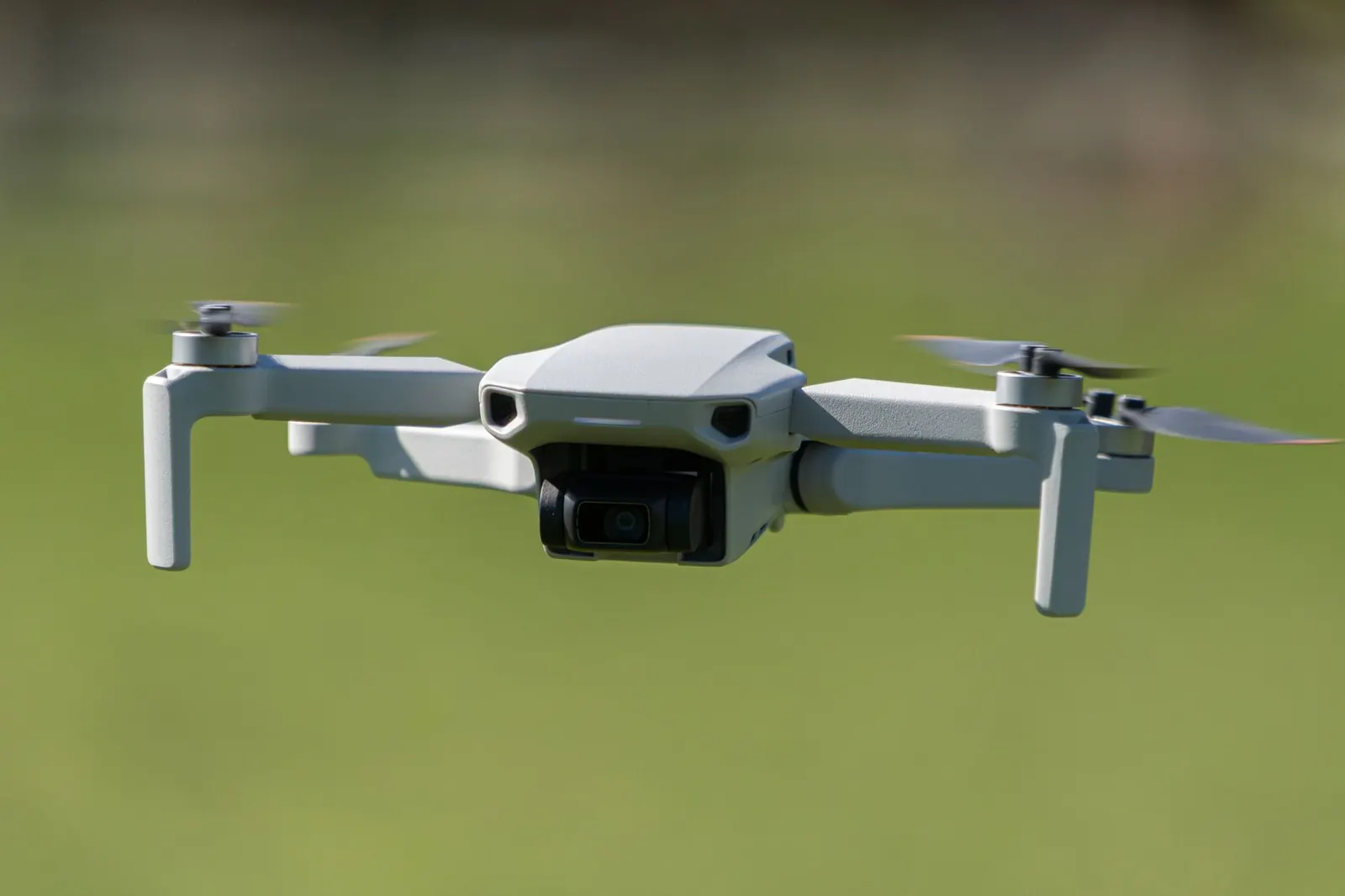
| Teen interested in video | Light camera drone with return-to-home and beginner limits |
| Teen interested in speed | FPV simulator first, then a small FPV kit with adult help |
Where kids should practice
An empty gym, a large living room or a quiet park with no crowds is ideal. Avoid flying near roads, people who are not part of the group, power lines and trees at first. Check whether your local park allows drones; many parks have their own rules about takeoff and landing, separate from the FAA’s airspace rules.
Tip: Set a simple routine for each flight: check the propellers, check the battery, pick a clear takeoff spot and agree who is watching for people and pets. Children remember a routine more easily than a list of rules.
Battery safety at home
Drone batteries are lithium batteries. Charge them on a hard, non-flammable surface, under adult supervision, and never leave them charging overnight. Stop using any battery that looks swollen, damaged or gets unusually hot. When a battery is worn out, recycle it through a battery drop-off rather than putting it in household trash; the EPA explains how to find one.
Mistakes parents often make
- Buying a large camera drone as a first drone for a young child.
- Choosing a phone-only drone that is hard to control precisely.
- Not buying spare propellers and batteries.
- Letting the first flight happen outdoors on a windy day.
- Forgetting that the TRUST test applies to young recreational flyers too.
Frequently asked questions
What age is right for a first drone?
It depends on the child and the drone. Follow the manufacturer’s age guidance and start with a small drone with propeller guards.
Does my child need to take the TRUST test?
If they fly recreationally in the US, yes. The FAA requires recreational flyers to pass TRUST and carry proof.
Can a child register a drone?
The FAA requires the owner to be 13 or older. For a younger owner, a person 13 or older registers the drone.
For the next step up, see Indoor Mini Drones vs Outdoor Drones: Which Should You Learn On? and Why You Should Buy an FPV Simulator Before an FPV Drone.