
Before you buy a drone for anything beyond pure fun, it is worth answering one question: will any of the flying count as non-recreational? In the US, the answer decides which set of FAA rules you follow, whether the drone must be registered, and whether you need a Remote Pilot Certificate. Many buyers assume the line is about money. According to the FAA, it is not that simple.
Key takeaways
- The FAA says compensation alone does not decide whether a flight is recreational.
- Non-recreational flying under 55 pounds generally falls under Part 107, which requires a Remote Pilot Certificate and registration.
- When in doubt, the FAA advises assuming Part 107 applies.
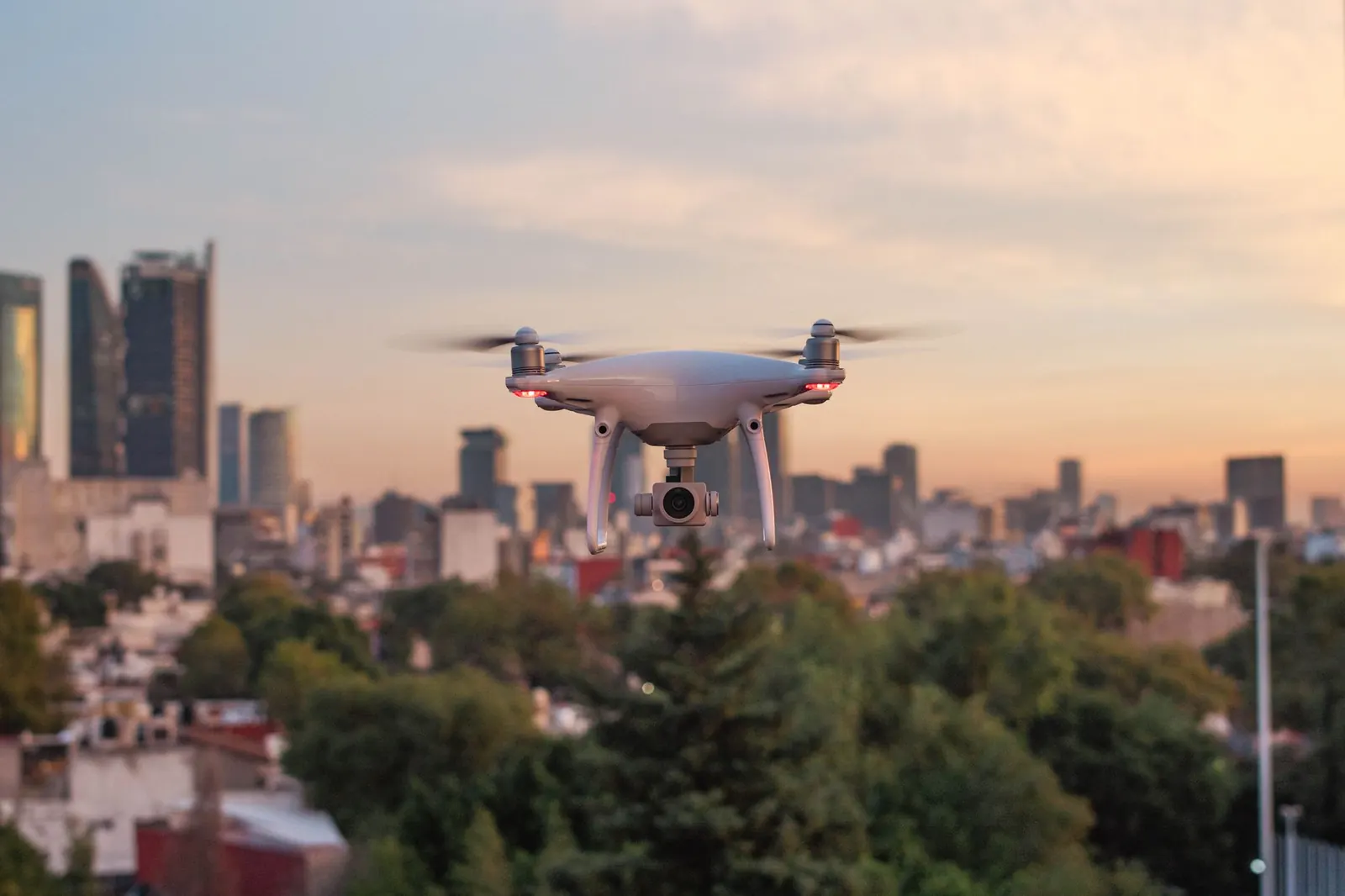
Two sets of rules
The FAA describes two sets of rules for small drones. The exception for limited recreational operations covers flying purely for fun or personal enjoyment. Part 107, the Small UAS Rule, covers almost all other flying of drones under 55 pounds, including work and business. The rules differ in who can fly, what paperwork is needed and what operations are allowed.
What counts as recreational
According to the FAA, a recreational flight is one flown purely for fun or personal enjoyment. The FAA stresses that many people wrongly assume that recreational simply means not being paid. Compensation, or the lack of it, does not decide the question on its own.
What counts as non-recreational
The FAA gives examples of non-recreational Part 107 flying, including taking photos to help sell a property or service, roof inspections and taking pictures of a high school football game for the school’s website. It also notes that goodwill can count, such as volunteering to survey coastlines for a nonprofit. If your flight supports a business, a job or an organization, it likely falls under Part 107.
What Part 107 requires
To fly under Part 107, the FAA says you need a Remote Pilot Certificate. To be eligible, you must be at least 16, able to read, speak, write and understand English, and in a physical and mental condition to fly safely, and you must pass the initial knowledge test at an FAA-approved testing center. Certificate holders complete online recurrent training every 24 calendar months. Every drone flown under Part 107 must be registered, whatever its weight: $5 per drone, valid for three years.
Rules side by side
| Recreational exception | Part 107 | |
|---|---|---|
| Purpose | Purely for fun | Work, business, most other flying |
| Pilot requirement | Pass TRUST, carry proof | Remote Pilot Certificate |
| Registration | Required at 250 g or more | Required for every drone |
| Registration fee | $5, covers your inventory, 3 years | $5 per drone, 3 years |
| Controlled airspace | Prior authorization | Prior authorization |
Registration does not switch
The FAA says drones registered under the recreational exception cannot be flown under Part 107, and a registration cannot be transferred between the two types. If you plan to do both kinds of flying with the same drone, register it under Part 107 for work flights.
Which path fits you
If you will only ever fly for your own enjoyment, the recreational path is simpler. If you plan to take photos for a real estate listing, inspect a roof, help an organization or sell footage, plan for Part 107 before buying. It affects the drone too: a light drone chosen to avoid recreational registration will need registration once it is used for work.
Tip: If you are unsure which rules apply, the FAA has an online tool that asks a few questions and tells you which type of flyer you are. Its advice is simple: when in doubt, assume Part 107.
Buying a drone with work in mind
For work, reliability and image quality matter more than portability. Consider camera quality, battery supply, spare parts, the manufacturer’s support and whether the drone has Standard Remote ID built in. See Drones for Real Estate Photos: What to Buy and What the FAA Requires and Part 107 Before You Buy: Getting Certified for Drone Work.
Insurance and local rules
Businesses often carry liability insurance for drone work, and clients may ask for it. States, cities and property owners may also have rules about where you take off and land. These sit alongside the FAA’s airspace rules.
Common mistakes
- Assuming unpaid flying is always recreational.
- Using a recreational registration for a work job.
- Buying a drone for work without planning for Part 107.
- Taking one favor flight for a friend’s business without the certificate.
Frequently asked questions
If I am not paid, is it recreational?
Not necessarily. The FAA says compensation alone does not decide it.
Can I switch a registered drone from recreational to Part 107?
The FAA says registrations cannot be transferred between operation types. Register the drone under Part 107.
How old do I need to be for Part 107?
At least 16 years old, according to the FAA.
Next, read Part 107 Before You Buy: Getting Certified for Drone Work.