
Most first drone purchases go wrong in the same way: the buyer compares flight times, camera resolution and range numbers before deciding what the drone is actually for. A drone that is perfect for filming a family hike can be frustrating in a living room, and a small indoor quad teaches skills that do not transfer neatly to a camera drone. This guide walks through the questions to answer before you compare models, so the spec sheet starts to mean something.
Key takeaways
- Decide what you will use the drone for before you compare any specifications.
- Weight matters for more than portability: in the US it affects whether you need to register the drone.
- Beginner-friendly features such as position hold and return-to-home often matter more than top speed or range.
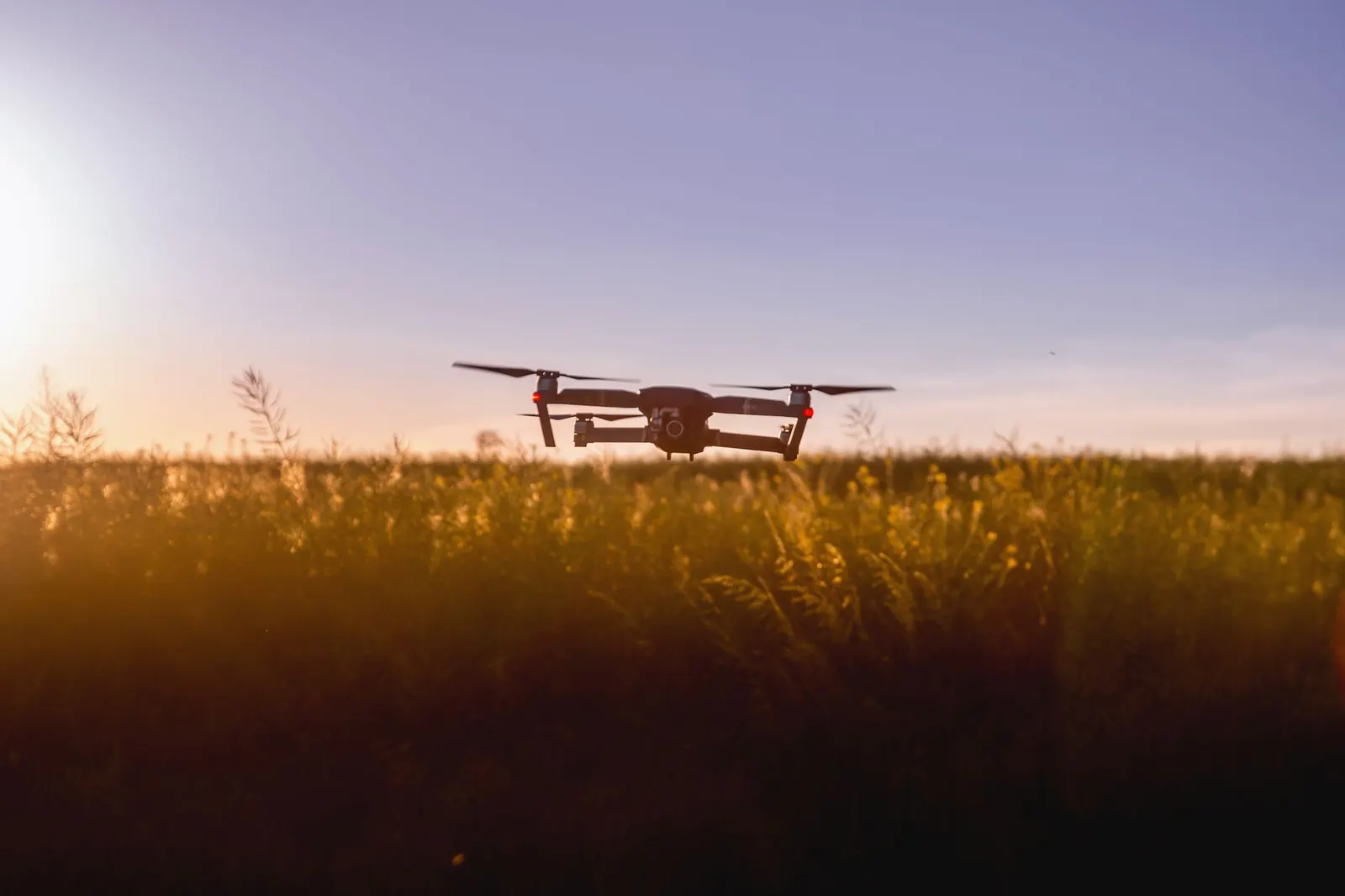
Start with the main use
Write down the one thing you most want to do with the drone in its first few months. Common answers are learning to fly for fun, taking photos and video on trips, filming family events, flying fast in first-person view, or taking pictures for work. Each of these points to a different kind of aircraft. It is fine to have a second use in mind, but the main one should drive the purchase. Buyers who try to cover every use with one drone often end up with something too large for travel, too fragile for learning or too limited for good video.
Where will you fly?
The place you fly shapes the drone you need. A backyard, a local park, open farmland, the beach and a crowded city each bring different limits. Small, light drones are easier to carry and less intimidating around other people, but they are pushed around more by wind. Larger drones handle breezes better but are harder to pack and may bring extra paperwork. If most of your flying will be indoors or in a small yard, a tiny protected drone is a better teacher than a large camera drone.
Weight and paperwork go together
In the United States, the FAA requires registration for all drones except those that weigh 0.55 pounds or less (under 250 grams) and are flown under the exception for limited recreational operations. A drone flown for work under Part 107 must be registered whatever it weighs. That makes weight one of the first specs worth checking. A lighter drone is not automatically the better choice, but it can simplify ownership for a hobby flyer. We cover the details in Sub-250 Gram Drones Explained: What the Weight Changes and What It Doesn’t.
Features that help beginners
A few features make the first weeks much easier, and they are worth more than a higher top speed:
- Position hold, usually using satellite positioning outdoors and downward sensors at low height, so the drone stays put when you let go of the sticks.
- Return-to-home, which brings the drone back toward its takeoff point when the signal is lost or the battery runs low.
- Beginner or slow mode, which limits speed and height while you learn.
- Obstacle sensing, which can help, but only in some directions and some light conditions.
- Propeller guards for indoor practice and first flights near people or trees.
Camera or no camera?
If you mainly want to learn, a simple drone without a serious camera is cheaper to crash and faster to replace. If you already know you want aerial photos, buying a camera drone with good beginner features can be more sensible than buying twice. Look for a stabilized camera if video matters; a fixed camera on a small drone often gives shaky footage. Gimbal vs Fixed Camera Drones: Why Stabilization Changes Everything explains the difference.
Batteries decide how much you actually fly
Flight time is quoted per battery, and real flights are usually shorter than the number on the box because of wind, cold and the reserve you should keep for landing. Many owners find that one battery is not enough for a satisfying session. When you compare drones, check whether spare batteries are easy to find and whether a charging hub is available.
Comparing your options
| If your main use is | Look for |
|---|---|
| Learning to fly for fun | Small, light, protected propellers, slow mode |
| Travel photos and video | Folding design, stabilized camera, low weight |
| Family events | Reliable hover, good stabilization, quiet operation |
| Fast first-person flying | FPV drone, goggles, spare parts availability |
| Work photos | Camera quality, reliability, and Part 107 in your plans |
Budget for the whole kit
The drone itself is only part of the cost. Spare batteries, a carrying case, spare propellers, memory cards and possibly a charging hub add up. So does the time you need to practice. Before you buy, list the extras you will need for your main use so that the comparison is fair between a bare drone and a bundle.
Tip: Before buying, look up the drone’s manual online. A clear manual with a full description of return-to-home, low-battery behavior and calibration is a good sign that the aircraft is well supported.
Rules to know before the first flight
Owning a drone in the US comes with a few basics even for fun flying. According to the FAA, recreational flyers must pass the free online TRUST test and carry proof, keep the drone within visual line of sight, fly at or below 400 feet in uncontrolled airspace, and get authorization before flying in controlled airspace near many airports. See Drone Registration: What to Know Before You Buy and Where Can You Fly a New Drone? Airspace, Authorization and Local Rules for the details.
Common first-drone mistakes
- Buying the largest camera drone in the store and being too nervous to fly it.
- Ignoring weight and discovering the registration question after the purchase.
- Buying only one battery.
- Assuming obstacle sensing works in every direction.
- Skipping practice in an open, quiet space.
Frequently asked questions
Should my first drone have a camera?
It depends on your goal. If you want aerial photos soon, a camera drone with strong beginner features is reasonable. If you mainly want to learn, a cheaper small drone is easier to practice with.
Is a lighter drone always better for beginners?
Not always. Light drones are portable and can simplify registration for recreational use, but they are more affected by wind.
Do I need to register a first drone?
In the US, drones of 250 grams or more must be registered, and any drone flown under Part 107 must be registered regardless of weight. Check the FAA registration page for current rules.
If your first drone is for a child or teenager, read Buying a Drone for a Child or Teenager: Age, Size and Safety next.