
A camera drone is really two products in one: an aircraft and a camera. Buyers tend to focus on the camera numbers, yet the aircraft’s stability, wind handling and battery life often decide whether the footage is usable. This guide explains what to compare when aerial photos and video are the main reason you are buying.
Key takeaways
- A stabilized gimbal usually matters more than the headline resolution for smooth video.
- Larger sensors generally handle low light and bright skies better.
- Weight affects portability, wind handling and whether FAA registration is required.
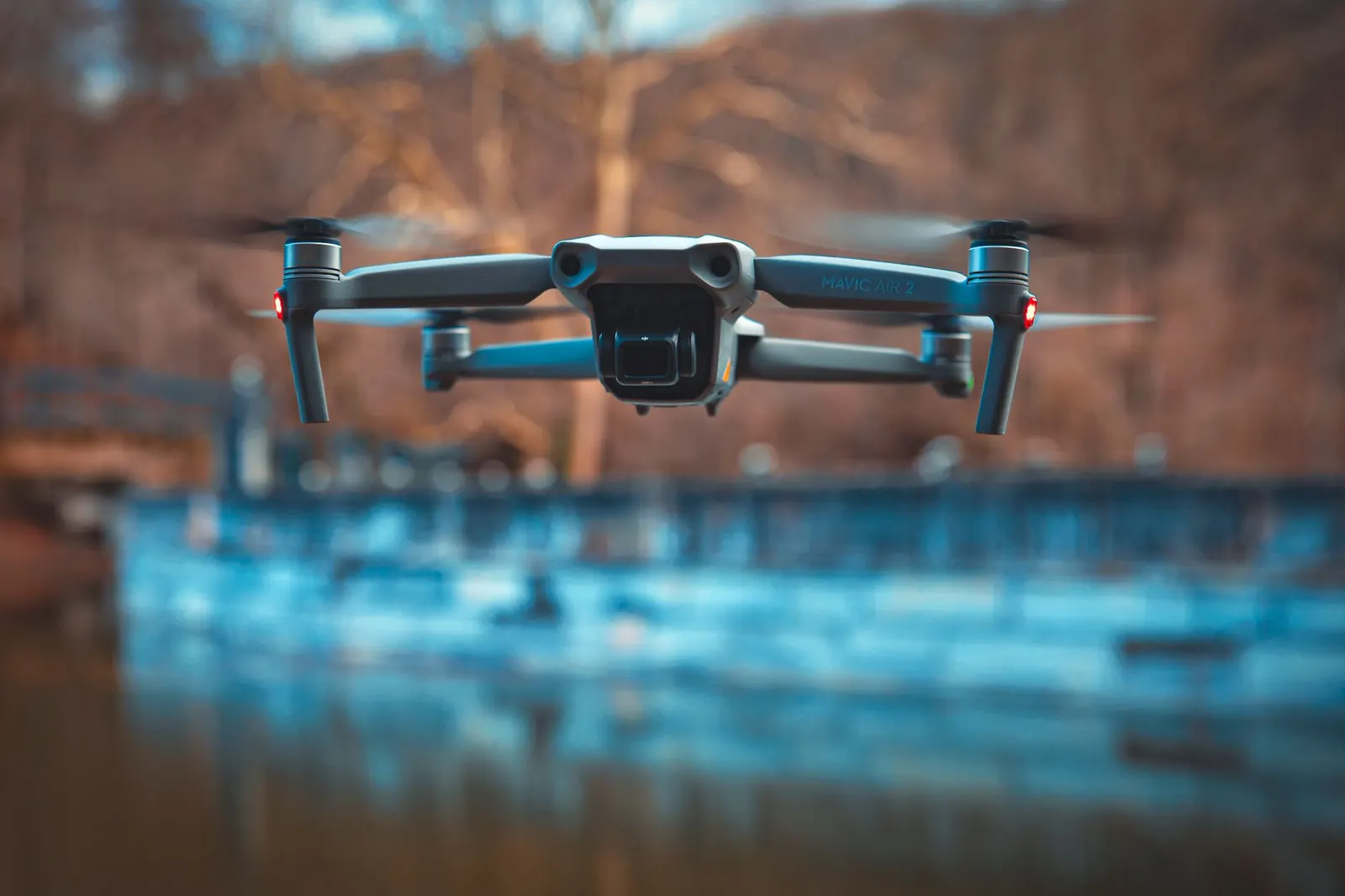
Decide what you will film
Travel scenes, family events, landscapes, property and action sports each ask something different of the drone. Landscapes reward good dynamic range and slow, smooth movement. Action sports need tracking features and quick response. Family events need reliable hovering and a calm, quiet drone. Start with the subject and let it guide the specs you care about.
Stabilization: gimbal vs electronic
A mechanical gimbal physically keeps the camera level while the drone tilts and shakes. Electronic stabilization crops and adjusts the image in software. For smooth, cinematic video, a three-axis gimbal is the usual choice on camera drones. Small, cheap drones may rely on electronic stabilization or none. We compare them in Gimbal vs Fixed Camera Drones: Why Stabilization Changes Everything.
Sensor size and image quality
In general, a larger camera sensor gathers more light, which helps at sunrise, sunset and in shade, and holds more detail in bright skies. Resolution tells you how many pixels there are, not how good they are. When comparing, look at sample footage in conditions similar to yours. Drone Camera Specs Explained: Sensor, Resolution, Frame Rate and Color covers resolution, frame rates and color profiles.
Wind and stability
A drone that shakes in wind produces shaky footage, even with a gimbal. Heavier drones generally resist wind better, while very light drones may drift or struggle to return in strong gusts. Manufacturers often publish a wind resistance level; treat it as a limit, not a target, and check the forecast before flying.
Flight time and batteries
Longer flight time gives you more chances to frame a shot, but the quoted number is measured in ideal conditions. Plan for shorter real flights and a safe reserve for landing. Most camera drone owners buy at least one or two spare batteries.
Features that help with filming
- Pre-programmed shots, such as orbits and slow reveals, for smooth movement.
- Subject tracking, which follows a person or vehicle.
- Adjustable gimbal speed for gentle tilts.
- Manual exposure controls for consistent color.
- Obstacle sensing to reduce risk while you watch the screen.
Weight and rules
In the US, the FAA requires registration of drones that weigh 250 grams or more when flown for recreation, and of every drone flown under Part 107. If you plan to sell photos or film for a business, the FAA treats that as non-recreational flying under Part 107, which also requires a Remote Pilot Certificate. See Hobby or Business? Why the Answer Changes the Drone Rules.
Camera drone options by use
| Main use | What to prioritize |
|---|---|
| Travel | Low weight, folding design, gimbal |
| Landscapes | Sensor size, dynamic range, slow movement |
| Family events | Quiet hover, tracking, battery life |
| Property photos | Image quality, Part 107 plans |
| Action sports | Tracking, fast response, wind handling |
Which one fits
If portability matters most, look at light folding drones and accept that they handle wind less well. If image quality matters most and you are fine carrying more gear, a larger drone with a bigger sensor may suit you better. Either way, the stabilized camera is the feature to insist on.
Tip: Before buying, watch unedited sample clips filmed in wind or at dusk. Polished promotional videos are shot in ideal conditions and hide the differences that matter.
Controller and screen
Most camera drones use a phone mounted on the controller as the screen, while some come with a controller that has a built-in display. A built-in screen is often brighter and avoids notifications and phone battery drain, but it adds cost. If you film in bright sun, screen brightness makes framing much easier. Check which option comes in the package you are comparing.
Transmission range is not a target
Listings often quote long transmission ranges. In the US, recreational flyers must keep the drone within visual line of sight, so the practical distance is how far you can actually see the aircraft. A strong video link is still valuable because it gives a stable picture and fewer dropouts near trees and buildings, but it is not permission to fly further.
Accessories worth budgeting for
Spare batteries, a fast memory card, a case and, for bright days, neutral density filters make a real difference. See Drone Accessories Worth Buying (and Ones You Can Skip).
Common mistakes
- Choosing by resolution alone.
- Ignoring wind handling.
- Forgetting that paid work changes the rules.
- Buying one battery and expecting a full shoot.
Frequently asked questions
Is higher resolution always better?
No. Sensor size, stabilization and lens quality often matter more for the final image.
Do I need a gimbal?
For smooth video, a mechanical gimbal is strongly recommended. For casual snapshots, it matters less.
Can I sell photos from my drone?
In the US, that is non-recreational flying under Part 107, which requires a Remote Pilot Certificate.
Also read Buying a Drone for Travel: Weight, Batteries and Where You Can Fly.