
A travel drone has to earn its space in your bag. It must be light enough to carry every day, sturdy enough for handling, simple to launch and good enough to capture a view worth the effort. It also comes with battery rules for flights and flying rules that change between parks, cities and countries. This guide covers what to look for.
Key takeaways
- Folding, light drones are the most practical for travel, but they handle wind less well.
- Spare lithium batteries go in carry-on bags only, with terminals protected.
- Flying rules depend on where you are: parks, cities and other countries have their own restrictions.
Size and weight
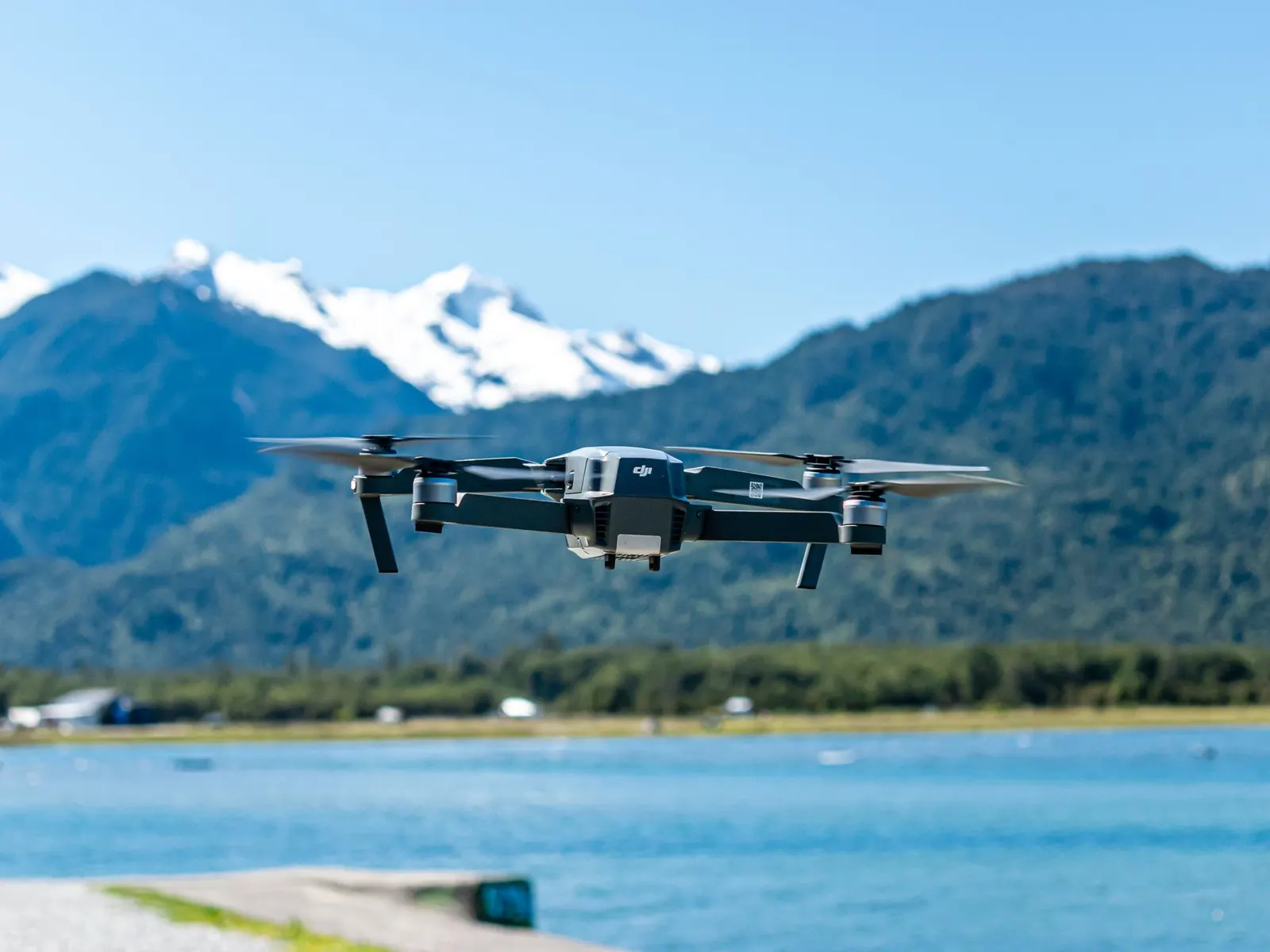
For travel, the drone you will actually take out is better than the larger one left in the hotel. Folding drones pack into small cases and can ride in a daypack. Light drones are also less noticeable. The trade-off is wind handling: coastlines and mountains are windy, and very light drones can struggle. See Sub-250 Gram Drones Explained: What the Weight Changes and What It Doesn’t.
Camera and stabilization
For travel scenes, a gimbal-stabilized camera is the feature to insist on. Look for good dynamic range, since bright skies and dark valleys often appear in the same frame. Vertical video support can be useful if you share on social media.
Batteries and flying with them
According to the FAA’s PackSafe guidance, spare lithium ion batteries must be carried in carry-on baggage only, with terminals protected from short circuit. Batteries up to 100 watt-hours are generally allowed; batteries from 101 to 160 watt-hours need airline approval and are limited to two spares per person. Airlines can set stricter limits. Most small drone batteries are well under 100 watt-hours, but check the label. See Flying With Drone Batteries: Watt-Hours, Carry-On Rules and Packing.
Charging on the road
A compact charging hub and a USB charger that works with your drone make travel easier. Some drones charge from power banks, which helps on long days. Charge on a hard surface and never leave batteries charging unattended in a hotel room.
Where can you fly?
Travel destinations often come with extra rules. In the US, the FAA controls airspace, but parks, towns and landowners may restrict where you take off and land. The National Park Service has prohibited launching, landing and operating drones on the lands and waters it manages since a 2014 policy memo, with limited exceptions; its authority ends at the park boundary, so nearby land may have different rules. Other countries have their own rules, registration systems and restricted areas. Research each destination before packing.
Travel drone checklist
| Feature | Why it matters for travel |
|---|---|
| Folding design | Fits a daypack |
| Low weight | Easy to carry, simpler rules in some places |
| Gimbal | Smooth video on the move |
| Battery charging from USB | Fewer chargers |
| Good wind resistance | Coasts and mountains are windy |
| Quick setup | Catch the light before it goes |
Which drone fits your trips
For hiking and city trips, prioritize weight and quick setup. For road trips where you can carry more, a slightly larger drone with better wind handling and a bigger sensor may be worth it. For international trips, check each country’s rules first; some make drone travel impractical.
Tip: Before a trip, search the destination on the aviation authority’s website and the park or city’s website. Save links to the rules on your phone, so you can show them if someone asks.
Case and protection
A hard or padded case protects the gimbal. Keep the gimbal cover on in transit. Carry a small cloth to clean the lens, and a landing pad for sand and dust.
Respect people and places
Popular viewpoints are crowded. Fly early, keep away from people, and do not fly over crowds. Wildlife and livestock can be disturbed by drones. If a location feels wrong for a drone, it probably is.
Registration and paperwork on trips
If your drone must be registered with the FAA, carry the registration certificate, paper or digital, and keep the registration number marked on the outside of the drone. Recreational flyers also carry proof of passing TRUST. Keep these on your phone in a folder that works offline, since popular viewpoints often have weak mobile signal.
Common mistakes
- Packing spare batteries in checked baggage.
- Assuming US rules apply abroad.
- Launching in a national park.
- Choosing a drone too large to carry every day.
Frequently asked questions
Can I bring drone batteries on a plane?
Spare lithium batteries must go in carry-on bags with terminals protected, under FAA guidance. Airlines may have stricter rules.
Can I fly my drone in national parks?
Launching drones in national parks is generally prohibited. Check the park’s rules.
Do I need to register my drone abroad?
Many countries have their own registration. Check with the local aviation authority.
Also see Drone Accessories Worth Buying (and Ones You Can Skip).